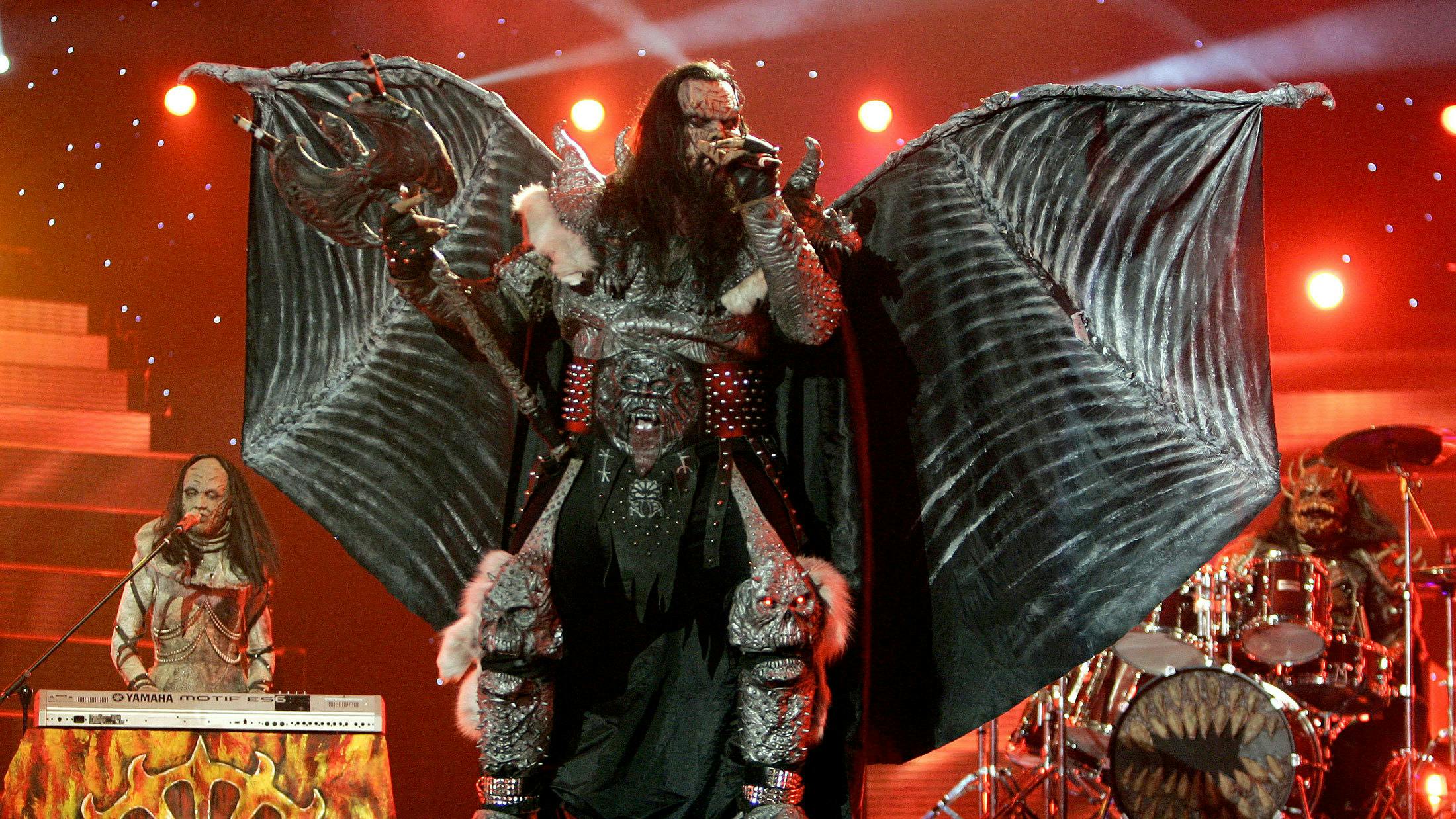
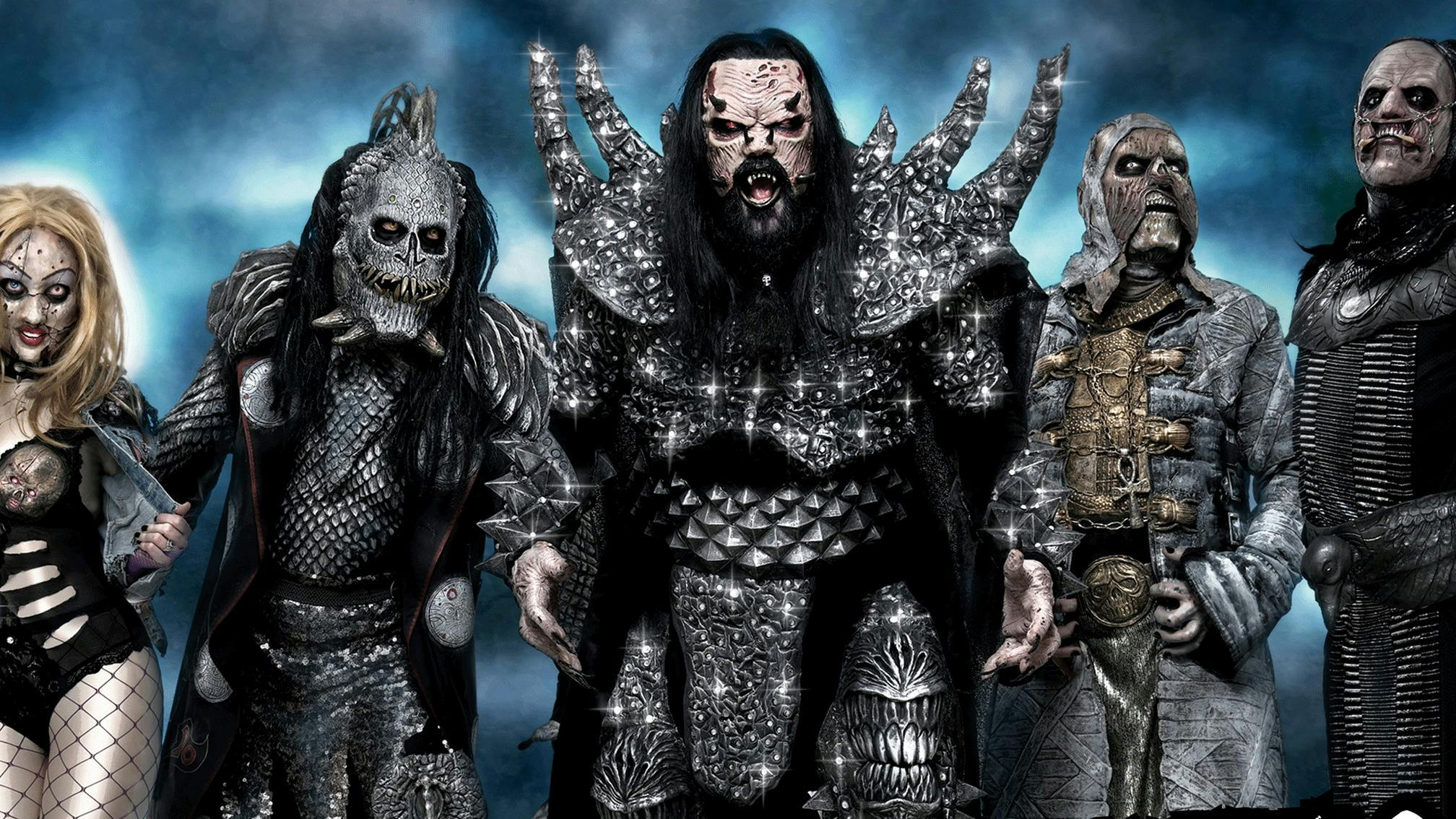
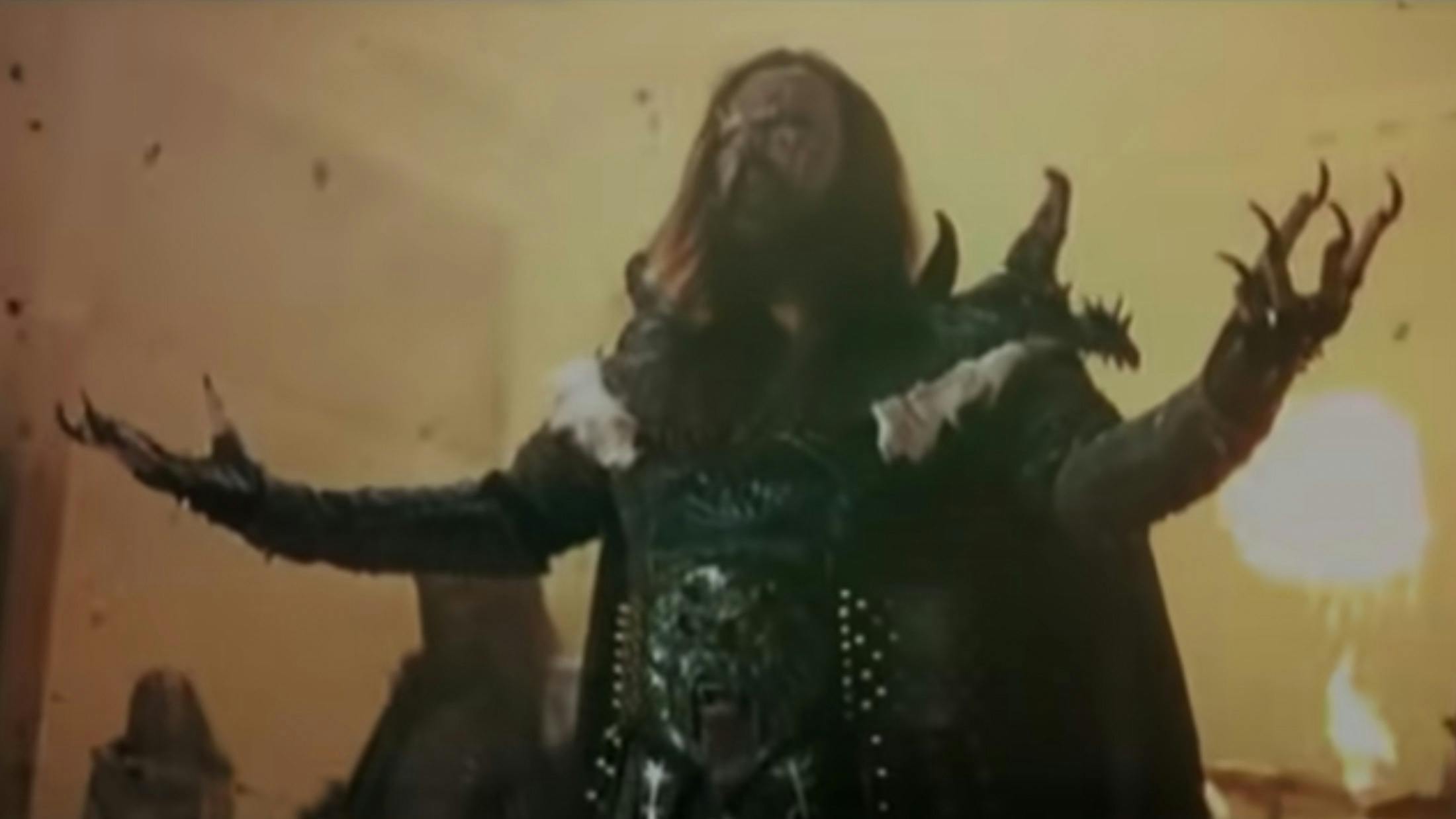
The win boosted the band’s profile hugely, but it also became a double-edged sword. Speaking to MariskalRock in 2017, Mr Lordi confessed: "There was a time a couple of years ago – well, more than a couple – when I really, really, really hated that everybody's always asking about the goddamn Eurovision… Nowadays I have come to terms with it. It's, like, okay, I'm actually proud that we are part of Eurovision history and I am proud that Eurovision is part of this band's history.”
He continued: “I absolutely don't regret that – absolutely not. Because I have nothing bad to say about Eurovision itself, but the problem that we have had in the years is the people who actually don't know anything else, except for the fact that we were on Eurovision. And that is a big stamp to get out of – it's like a fucking tattoo, you have a fucking tattoo on your forehead that says 'Eurovision'. And that is something that really, really, really drove me nuts some years ago.”
And did Lordi open the floodgates for other bands to follow? Well, no, not really. There have been a lot more guitar-oriented acts trying to follow in their cloven hoofprints (including Finland’s entry in this year’s socially-distanced shebang, Blind Channel) but Lordi remain the only hard rock or metal band ever to win the competition. Even before the dust settled, the Guardian sneeringly described Lordi’s win as “the victory of comedy over music”, as if the whole Eurovision edifice wasn’t an often enjoyable but ultimately frothy exercise in formula. Perhaps it’s better, then, that metal stays lurking in the shadows of the competition, revelling in the outsider status that suits it best.