Features

“I’ve been retired since I was 18!” How Less Than Jake got ska’d for life

Back in the day, Less Than Jake gigs had “blood in the pit”. Not so much now. But throughout, the Florida punk legends have brought the party. As they return to the UK, singer/guitarist Chris DeMakes looks back at the last 34 years. “In my 20s, I would have made fun of me!”

“I’ve been retired since I was 18!” How Less Than Jake got ska’d for life
Words:
David McLaughlin
Header photo:
Gavin Smith

Time can creep up on you. One day you’re a teenager, piling into a van with your buddies and living the punk rock dream; the next you’re in sweatpants, contemplating hair dye to save your kid’s blushes at the school drop-off.

As co-founder, co-vocalist and guitarist of Less Than Jake, Chris DeMakes has spent his adult life navigating punk rock’s many contradictions: humour masking sincerity, community forged through chaos, living fast and… not dying young. The Gainesville, Florida gang’s brand of ska-punk has become such a stalwart staple of the scene that we’ve grown inured to it, too rarely stopping to give it its flowers.

Now in his early 50s, Chris is taking the time to unpick the petals. He speaks candidly about the toll of touring culture, what it really means to be successful, and the quiet recalibration that comes with fatherhood and maturity. His love of music’s been reignited along the way, too, through Chris DeMakes A Podcast, revisiting other people’s songs.

Here, he reflects on the journey so far and what growing up gracefully in punk rock really looks like…

When did you first realise LTJ was no longer just something you did for fun with friends, but a ticket out of Gainesville you could build a life around?
“We started [the band] in July of ’92, but in August of ’94, we opened for The Mighty Mighty Bosstones in St. Petersburg, Florida. We played to one of our biggest crowds that night, sold all our merch, and their singer Dicky Barrett wore our T-shirt after the show. We were on cloud nine. After that it wasn’t just, ‘We’ve got a weekend gig!’ It was every day. We were still doing our own fan mail, screening T-shirts, I was delivering pizzas and Roger [Lima, bassist and co-vocalist] was working in a pipe shop, but we were finally grinding.”

Punk rock loves pretending it hates ambition. How driven were you?
“Oh gosh, yeah, we weren’t gutter punks who sat around drinking beer all day. We were unified about being the best band we could be. In the early ’90s ska and punk rock was still fun. There was a lot of great angsty music in the ’90s, but we were bringing the party. That’s what we built this whole thing on and why we’re still doing it today.”

Did your relationship with music change when it became how you made a living instead of being an escape?
“The money never changed our art, what we did, how we dressed or how we crafted our shows. Early on, [I was happy] as long as I was able to get in the van, go on tour and know that the rent was paid in the apartment that we all shared together. I think it was $480 for a three-bedroom apartment back then. Me, Vinnie [Fiorello, co-founder and ex-drummer] and Roger were all living together. I always say that the moment I didn’t have to worry about that pizza job anymore is when we made it.
“Now, I enjoy it in a way different way. You don’t have to worry about a lot of the stuff as you did as a younger person. Those were fun times, but they came with a lot of undue stress, and keeping up with the Joneses. When we got dropped by EMI/Capitol Records, during the making of [2000 release] Borders And Boundaries, it didn't kill us because we were a band almost 10 years at that point. We had built up the fanbase, and it was about to explode internationally when we put that record out.”

What was a good show in the ’90s like versus now?
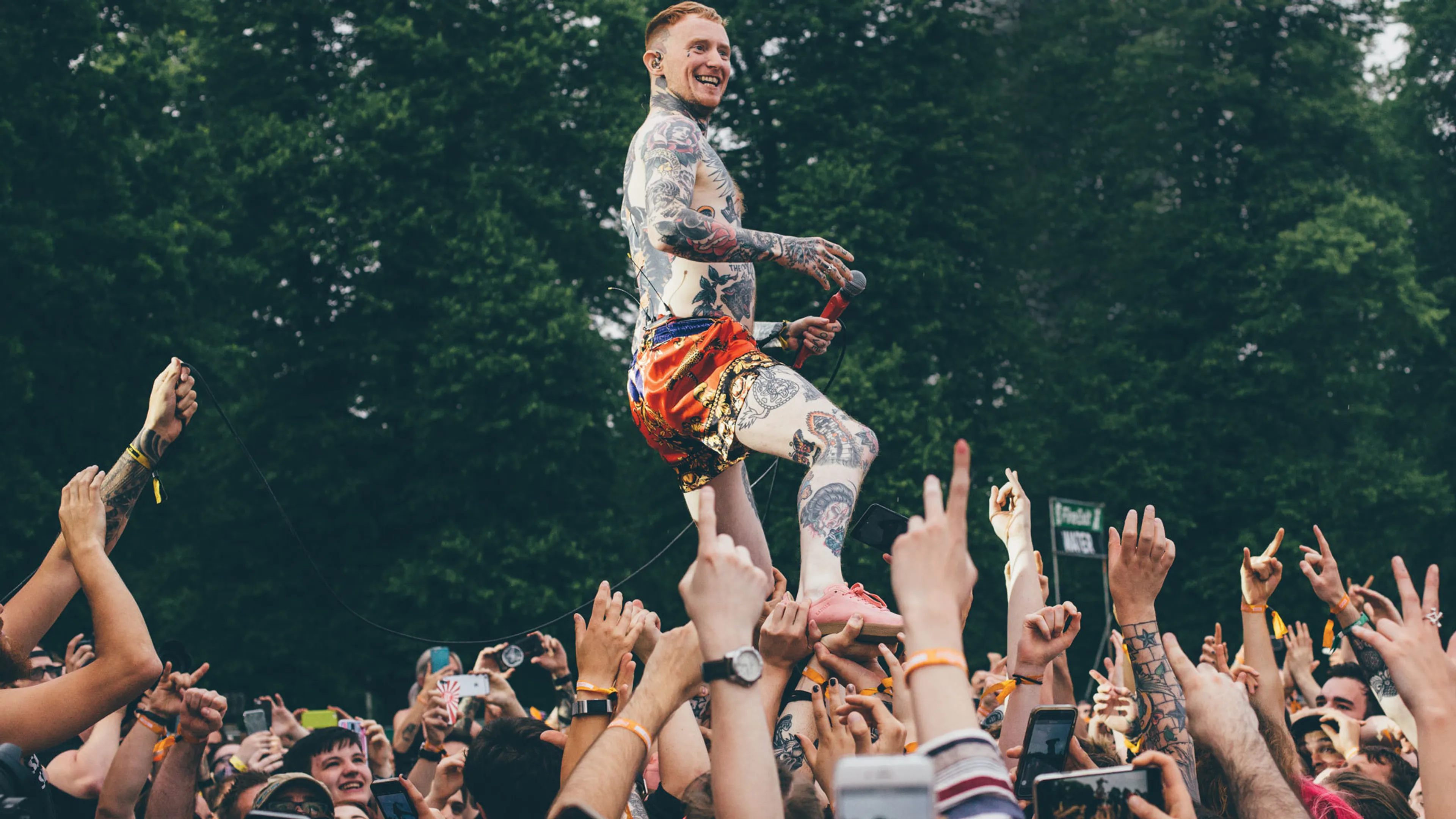
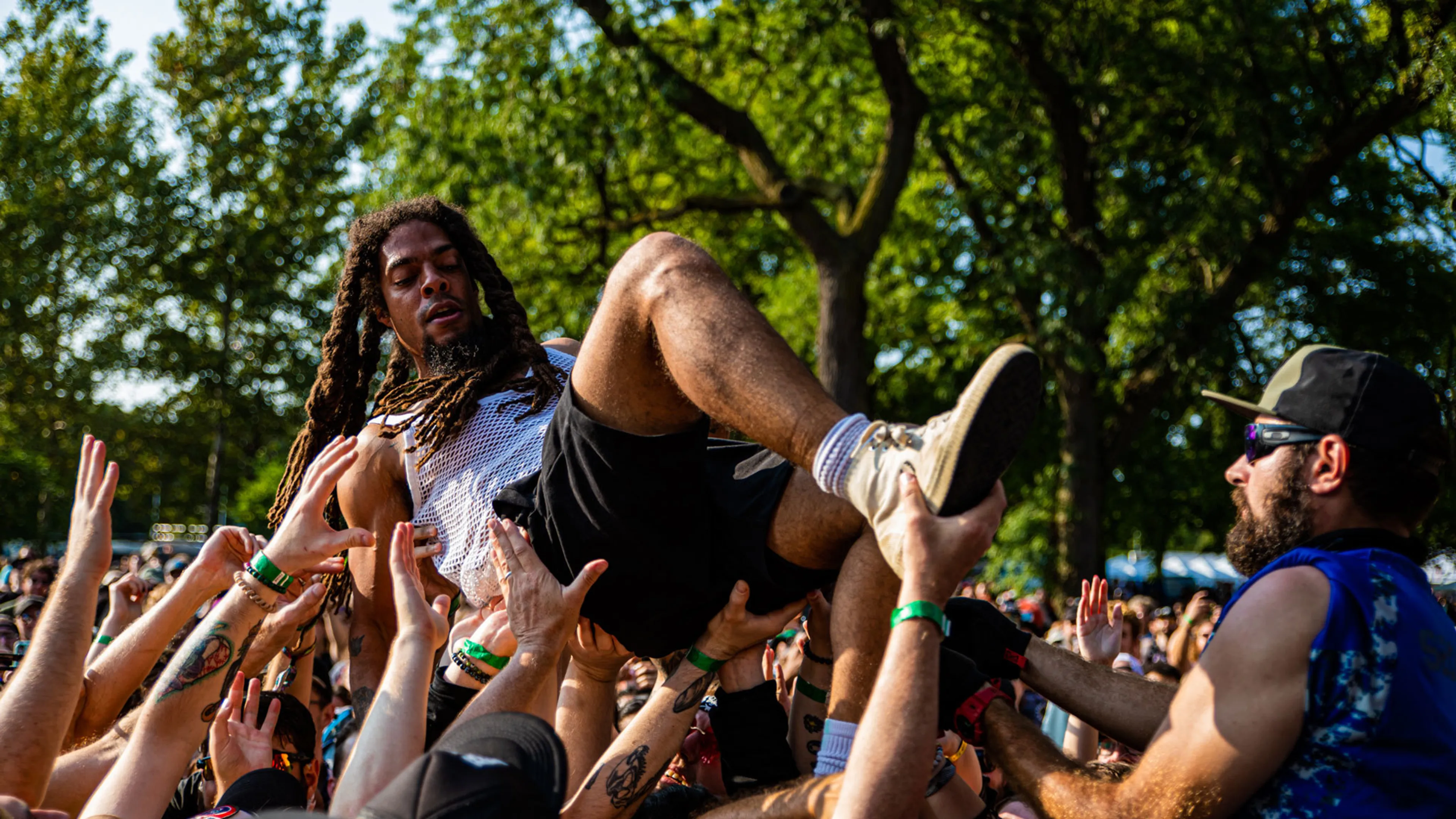
“It’d have blood in the pit, people diving off rafters, lots of sweat, ruckus and insanity. It was all about energy. Now we use a different gauge. We listen to each other. We tune! And we try to sound the best we can. No-one’s getting onstage under the influence, either.”

Have you ever written a song you didn’t fully understand until years later?
“I just got chills when you said that because, yeah. I lived those songs through the eyes of somebody else. A lot of our early songs were about Vinnie’s relationship with his family and his upbringing. Certain songs have taken on a new life. Escape From The A-Bomb House on the [2003] Anthem record – that was something I never talked to Vinnie about, but he wrote it about his parents’ divorce. I knew his parents; I even worked with his dad at his cleaning company for a while. So I sang those lyrics as a 20-something man but now, they’re just heartbreaking. It hits me in a different way than it did back then.”

What’s the bravest creative decision LTJ ever made?
“We’ve always had social commentary in our lyrics. We can be introspective or emotional alongside the tongue-in-cheek, funny content, but we’ve always stayed away from religion and politics. You could say that’s cowardly, but in this day and age, I feel it’s brave. I’ve got my children, I’m an older person, and I want to spread love in the world – but I’m not going to get into that arena because you can’t win. We’re at a fierce time in history.”

What was it like when success hit?
“When we first came to the UK, we were in Kerrang! and getting played on TV. We had been a band for almost 10 years. I remember doing a signing at a festival and 20 or 30 teenage girls were screaming and freaking out. I was nearly 30 years old then, so I was able to handle it. I had been around long enough to know that’s fleeting, but I appreciated it. I remember waking up and there’d be 200-300 kids surrounding the tour bus. I thought, ‘Look around and enjoy this – it doesn’t last.’”

Were Less Than Jake ever in a position to get bigger by compromising?
“Luckily, or unluckily, that never happened to us. We just had this steady trajectory. One day, we’re playing the main stage of a festival to 60,000 people pogoing and losing their minds; the next, we’re playing to 600 punks in a club, and our morale is just as high. I saw a lot of my friends become superstars. I don’t know how it would have affected me had it got to that point. Sometimes you just want to grab a slice of pizza or a drink, but it’s constant – that comes with the territory. I had a taste of it. But if that was still going on today and I couldn’t take my kids to the mall, that’d be daunting. Our band hit the jackpot. We have the best of all worlds.”

Has recording Chris DeMakes A Podcast changed how you listen to other people’s songs?
“Yes, times a million. I’ve learned so much through the show. The podcast has made me enthusiastic for music again. Honestly, I was starting to get old and dismissive – I was kind of stuck. Some of my favourite episodes discuss songs I didn’t care for back in the day, or that I’d never heard because it wasn’t my style. It’s been a real eye-opener. I had no idea any of this was going to happen. It wasn’t the plan, but it did force me to think in a different way.”

Punk culture often romanticises excess. At what point did you realise you had to change to keep doing this?
“When I turned 40. I was running full speed and hit a wall, and I’ve never recovered – but it’s been good. I just couldn’t recuperate from late-night drinking; my body wasn’t responding anymore. And I’ll be damned if I let that affect what I do onstage. When you’re gifted this thing of people adoring your band, you give them the best show you can. It’s actually more fun now. There were stretches in my 20s where I was sick right up until we played. That’s a young man’s game. You don’t see many hardcore alcoholics in their mid-50s or beyond.”

Ska-punk is often demeaned and underestimated — did that give you freedom to get away with things other bands couldn’t?
“I think so. Early on, you have to get labelled as something so journalists and people know what you are. They called us a ska band, and that bummed me because I never wanting to disrespect our elders – Toots & The Maytals, The Specials, all that Two-Tone stuff. We love this music, but I can see why it annoyed the heck out of people. Horns aren’t for everybody. But ska was never a four-letter word to us; I just always wanted to be respectful of it.”

Punk rock tends to age awkwardly. How have you navigated your way to maturity?
“We came up in a punk rock world, but we consciously made the decision not to only play with punk bands. That’s why we’ve been able to play with Linkin Park or Bon Jovi. We never wanted to be pigeonholed – not because we weren’t proud of being a punk rock band. I like to think that we’re ageing as gracefully as we can. I’m personally not trying to go out there with a blue mohawk anymore. No problem with guys who are – more power to them – but I can’t fly that flag. I’ve just got to be who I am.”

When did you first feel like you’d become elder statesman in the scene who people looked up to?
“Probably 10-12 years ago, when I realised famous musicians knew my name (laughs). There are still times I pinch myself. I don’t feel worthy, you know? I’ll always feel like the kid in the corner of the dance with a melted snow cone in his hand.”

What’s the least punk thing about you?
“I’m wearing sweatpants right now. I would have made fun of me when I was in my 20s. The other day my daughter said, ‘Daddy, I want you to dye your hair again,’ so I asked why, and apparently when I dropped her off at school one of her classmates asked, ‘Is that your grandfather with the grey hair?’ So, I’m punk rock for not dyeing my hair!”

Has your definition of success changed over the years?
“I don’t want to sound conceited, but I met a buddy about a year ago who looked at me with almost disdain, like, ‘When are you going to quit this stuff and retire?’ He worked his fingers to the bone from high school until he retired last year. Good for him. But it dawned on me – and I wasn’t trying to be cocky or a jerk – that I haven’t worked a day in my life. I’ve been retired since I was 18. He saved his whole life to travel to England, Europe, Japan, Australia – all these places that I’ve been lucky enough to see because of music. That’s all I ever wanted.”

Away from music, what’s the most punk rock decision you’ve ever made?
“I believe the most punk rock thing I’ve done is step up and be a good father to my kids; to try to steer them as right as I can, to show them that there's only one way, and that’s love.”

Looking back, would you change anything or do it all over again?
“I asked Mark [Hoppus from blink-182] this on my podcast. He said he’d try to slow everything down. I wish I could, too – go back and soak it in more – but I don’t think you can. I remember feeling anxious, like I was always in a hurry, but that’s the nature of the business. The fact that we’re a band that’s been around for 34 years? I could never, ever have imagined that.”

Check out more:

Now read these

The best of Kerrang! delivered straight to your inbox three times a week. What are you waiting for?