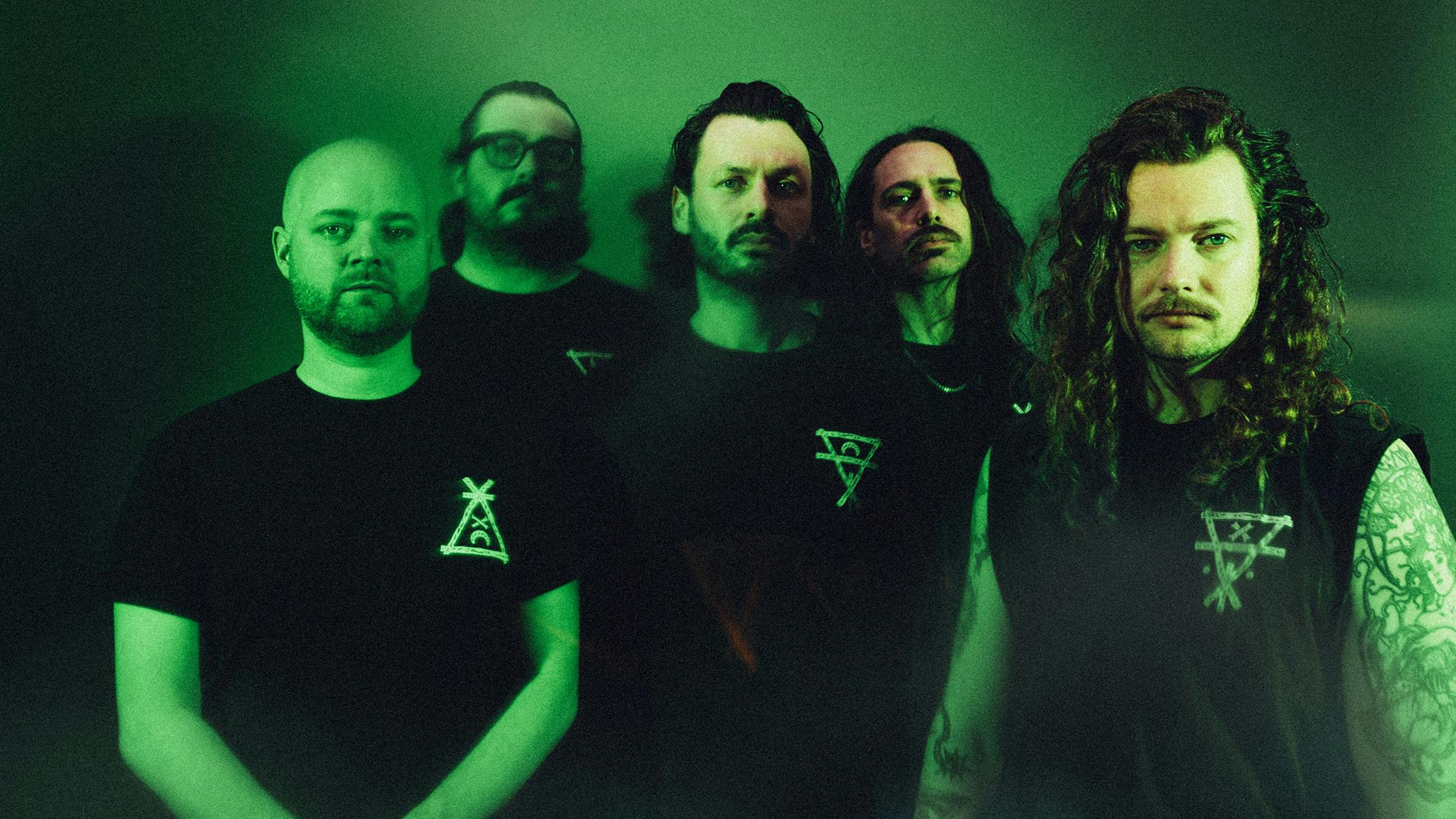
In the winter issue of Kerrang! magazine, Green Lung frontman Tom Templar waxed about his deep love of 1992 vampire blockbuster Bram Stoker’s Dracula. “It’s insanely high budget, it’s camp, it’s sexy, nightmarish,” he enthused. “It's also about as big as gothic ever got, in terms of sheer big swings.”
Seventy years prior to Francis Ford Coppola's fang-fest, one might have said similar about Nosferatu. German filmmaker F. W. Murnau’s 1922 silent picture (A Symphony Of Horror, to give it its full title) may not quite have been the first ever vampire flick, but its big budget and original, envelope-pushing craft made it a landmark. Upon release, it landed its makers in hot water over its unlicensed and rather shameless ripping off of Bram Stoker’s Dracula novel (young estate agent gets sent off to help a mysterious foreign aristo push a property deal through, he turns out to be a bloodsucker, sexy and terrible results ensue), but that soon became irrelevant. In Max Schreck’s hideous Count Orlok the film had an instantly-iconic lead, while its chilling style and creative effects, particularly in what could be done with shadow and perspective, gave cinema a powerful new sense of dread that stands up even a century later.
This just-off-the-100th-birthday remake is a love letter to its source, albeit one with actual dialogue. Fresh off his wedding, Thomas Hutter (Nicholas Hoult) is dispatched to Transylvania to assist wealthy client Count Orlok (Bill Skarsgård) purchase a ruin in Germany, leaving his new bride Ellen (Lily-Rose Depp) in the care of his posho mate Friedrich and his family. Unbeknownst to Thomas, in his homeland, Orlok is terribly feared. Also unbeknownst to him, as a child, Ellen pledged herself to him and his diabolical power. Third unbeknownst thing: his boss at the estate agents, Herr Knock (Simon McBurney) is an occultist acting as the middleman to bring the two of them together.