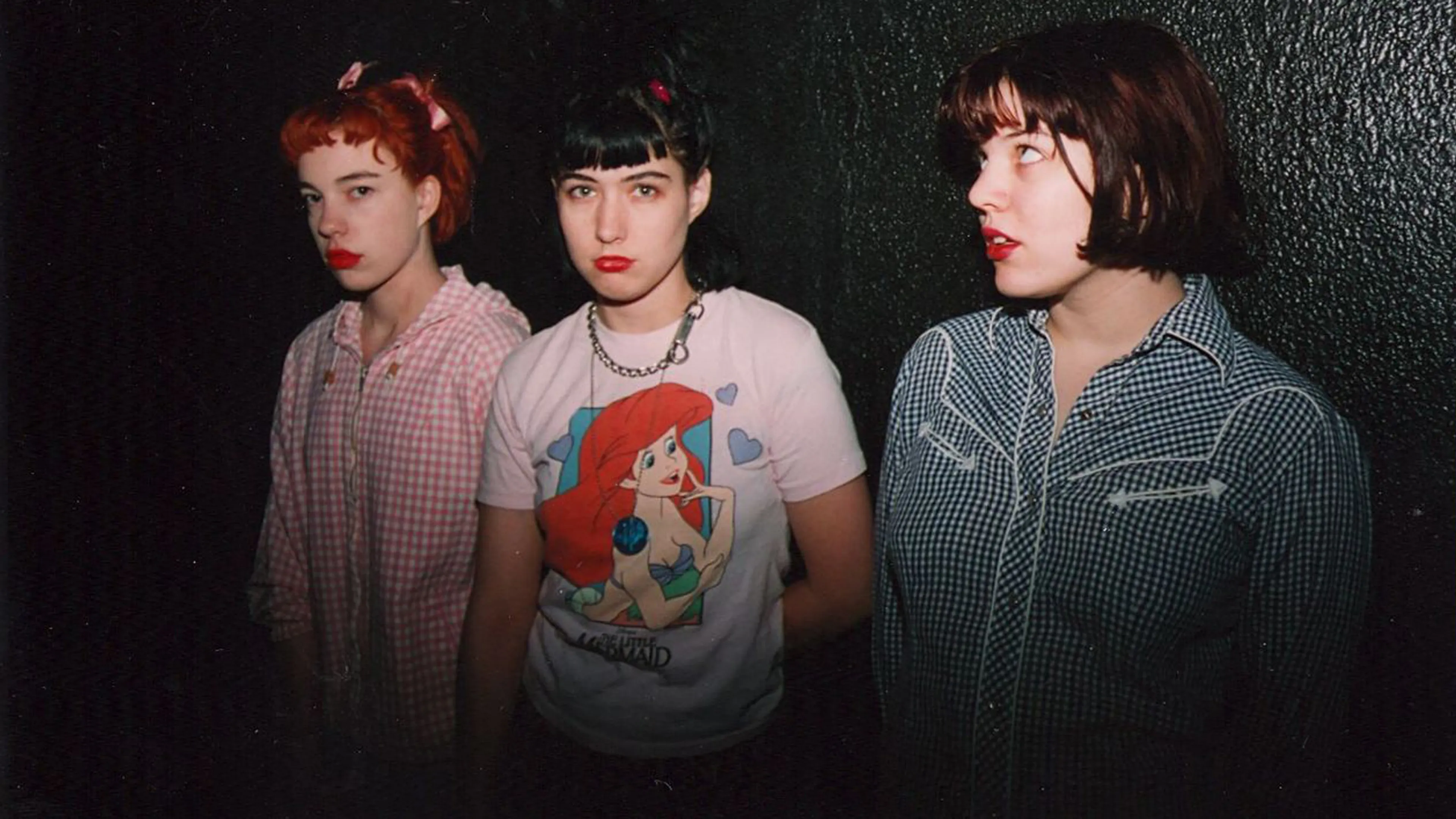
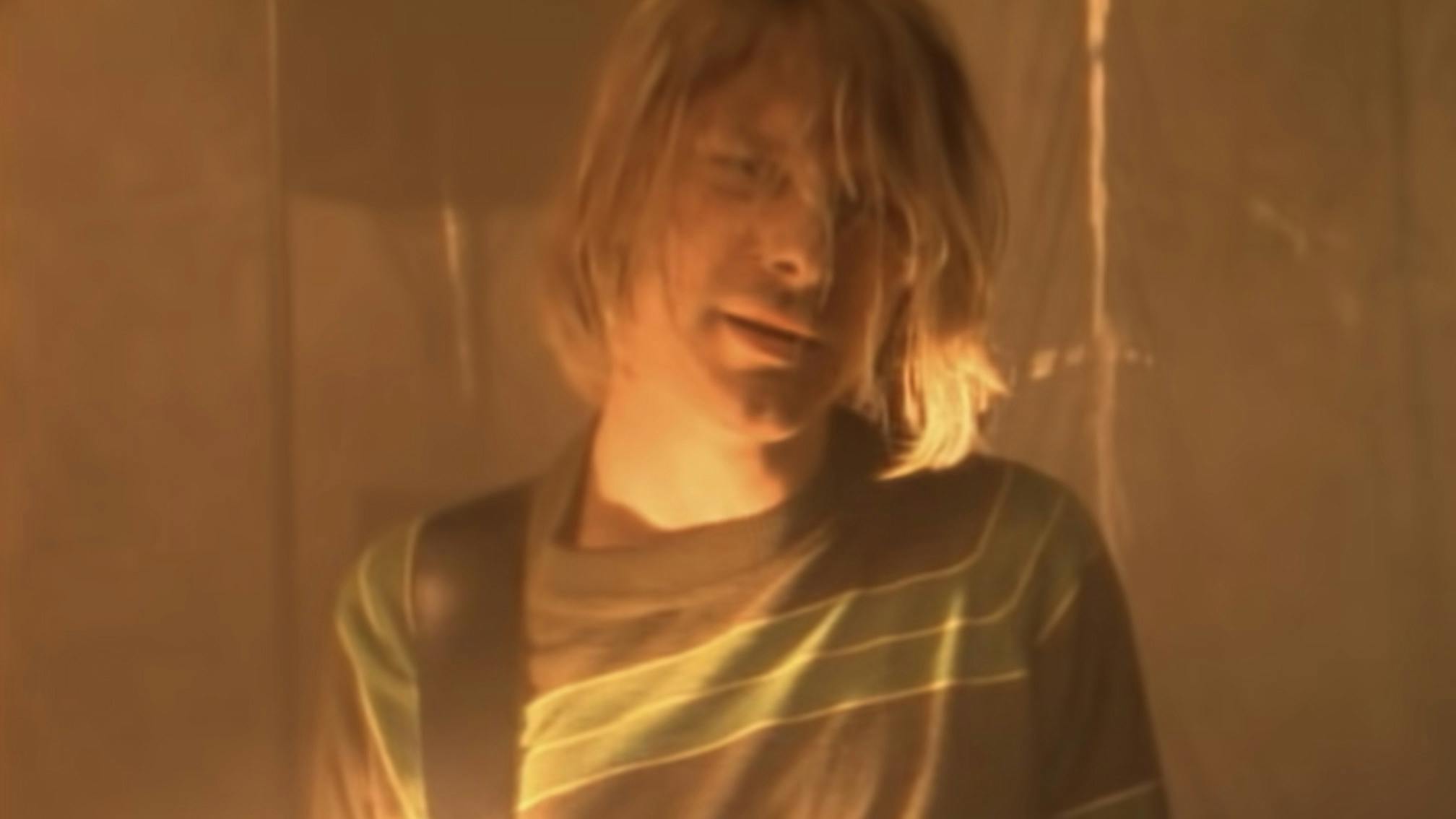
I wanted to know more about this quartet from Olympia, Washington. I wanted to devour them, but they were elusive. They refused to talk to the press after 1993 because they felt consistently misrepresented. They never played where I lived. They didn’t make music videos. There was talk in the press of Kathleen Hanna’s friendship with Kurt Cobain and how Nirvana’s breakthrough hit was named after something she had spray-painted on his wall one night: “Kurt smells like teen spirit.”
Bikini Kill’s records were hard to get hold of, but when I eventually did, the wait was worth it. Kathleen swung wildly between barked rage and sing-song sweetness “Feminist! Dyke! Whore! I’m so pretty…” she yelled and then purred on Alien She. It was music that recognised the male gaze and invited it in, only to stab it right in the eyeballs. The band scrawled sexist insults on their own bodies (“SLUT”, “BITCH”, “WHORE”) to take the power of the words away. “These are my tits, yeah, This is my ass,” Kathleen wailed on Lil’ Red, “These are my legs / Watch them walk fucking away.”
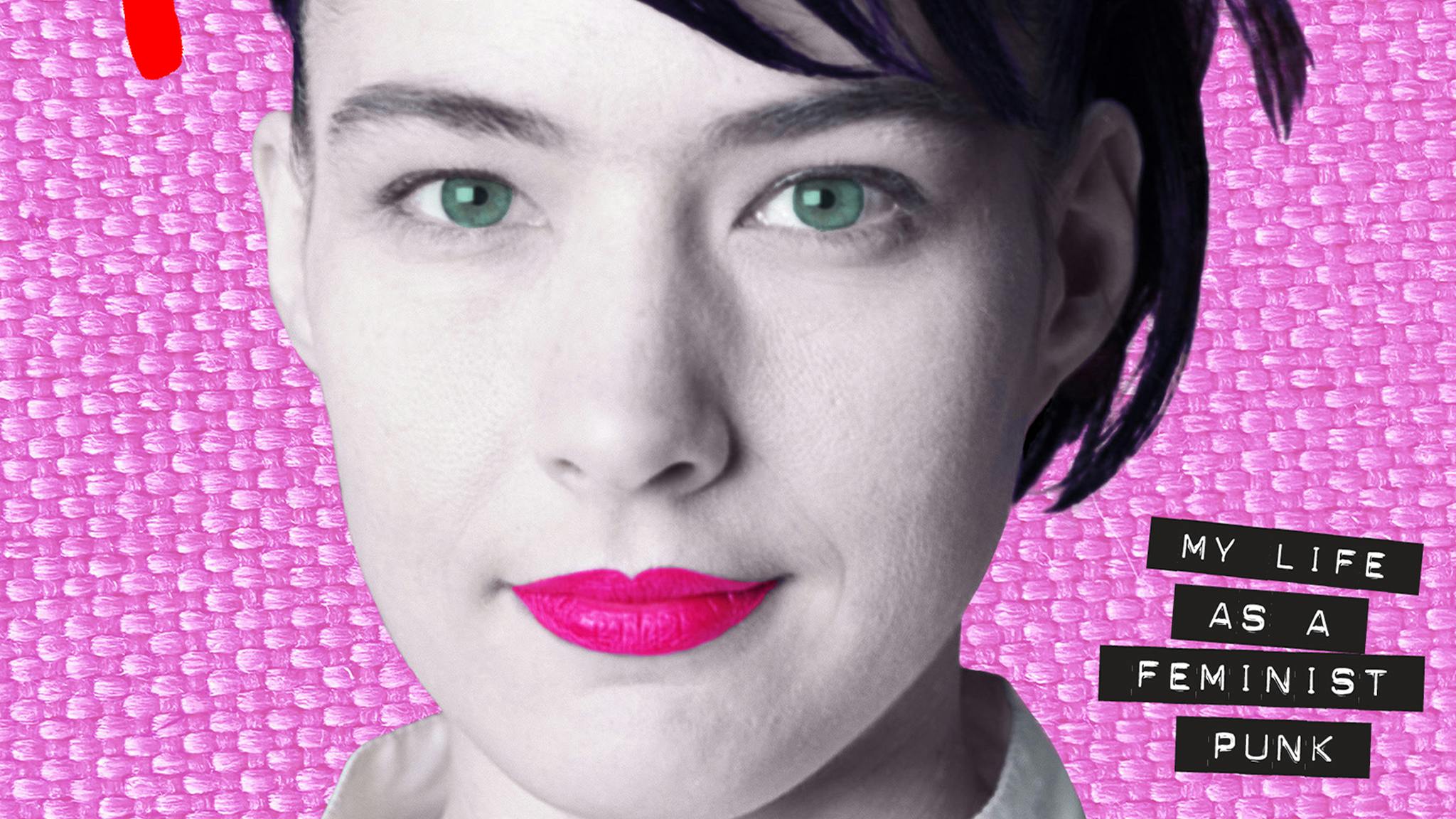
I came to find out later that it wasn’t easy to be Bikini Kill. Being righteously, unflinchingly feminist at a time when it was supremely uncool to call yourself one, prompted death threats and even physical assaults. At their shows, Kathleen’s rallying cry of “Girls to the front!” became standard practice — partly because she didn’t want girls to be pushed to the back of the room as they so often were at gigs, and partly because the band needed a line of protection between themselves and the men in the room. “Every night was a war,” notes Bikini Kill drummer Tobi Vail, in the 2013 documentary about Kathleen’s life, The Punk Singer. In the same film, the Beastie Boys’ Ad-Rock, Kathleen’s husband of 12 years, describes the first time he saw Bikini Kill as, “like a car accident. You can’t look away… You’re just like, ‘What the fuck?’”
Bikini Kill ended in 1997, after 7 years. Burned out, depressed and exhausted, Kathleen retreated into a solo project. Julie Ruin was an ultra-lo-fi album recorded and produced entirely by herself. It wasn’t marked by the unfiltered rage that had shaped Bikini Kill, but the rawness remained. Kathleen may not have been screaming as much, but she was certainly still seething. Julie Ruin was a creative purge that wouldn’t turn into The Julie Ruin, a full band, for another 13 years.